ChatGPT Becomes a Shopping Mall: 7 Retailers Already In | AI Bytes
0% read
ChatGPT Becomes a Shopping Mall: 7 Retailers Already In
AI News
ChatGPT Becomes a Shopping Mall: 7 Retailers Already In
OpenAI just turned ChatGPT into a visual shopping assistant with product comparisons, image search, and feeds from Target, Sephora, Best Buy, and more — all powered by the Agentic Commerce Protocol.
March 24, 2026
6 min read
554 views
OpenAI Wants You to Shop Inside ChatGPT Now
Forget searching Google, scrolling Amazon, and opening 14 browser tabs. As of March 24, 2026, OpenAI is betting that your next ChatGPT shopping trip starts — and maybe ends — inside a chat window.
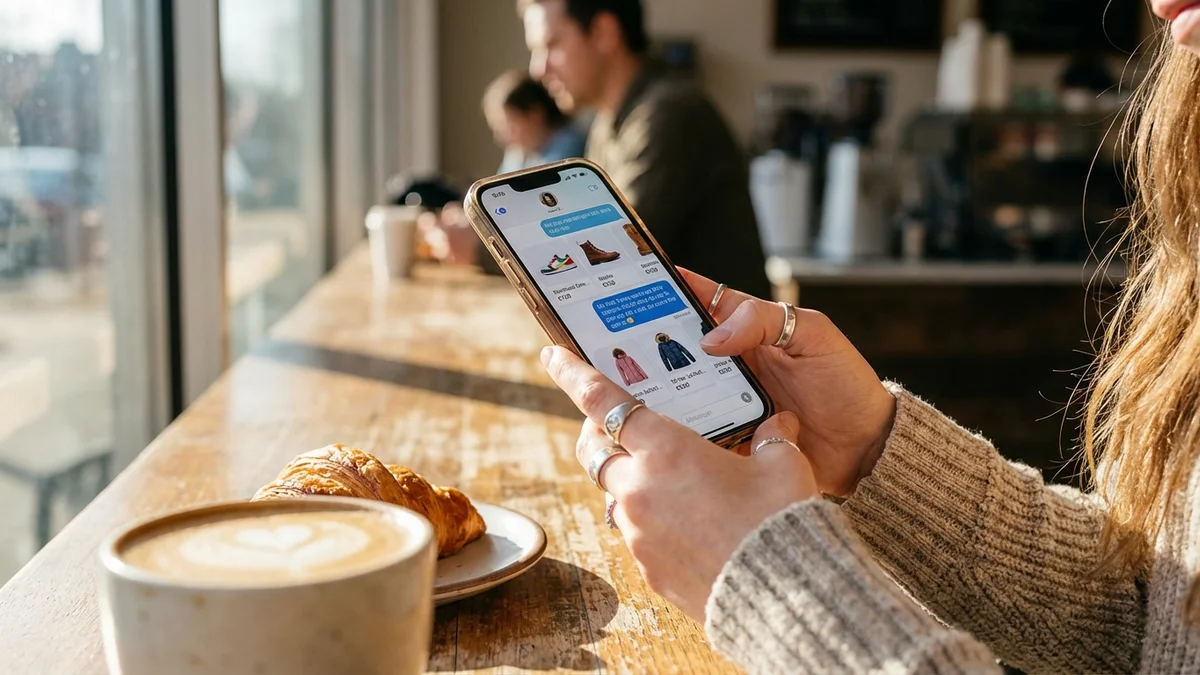
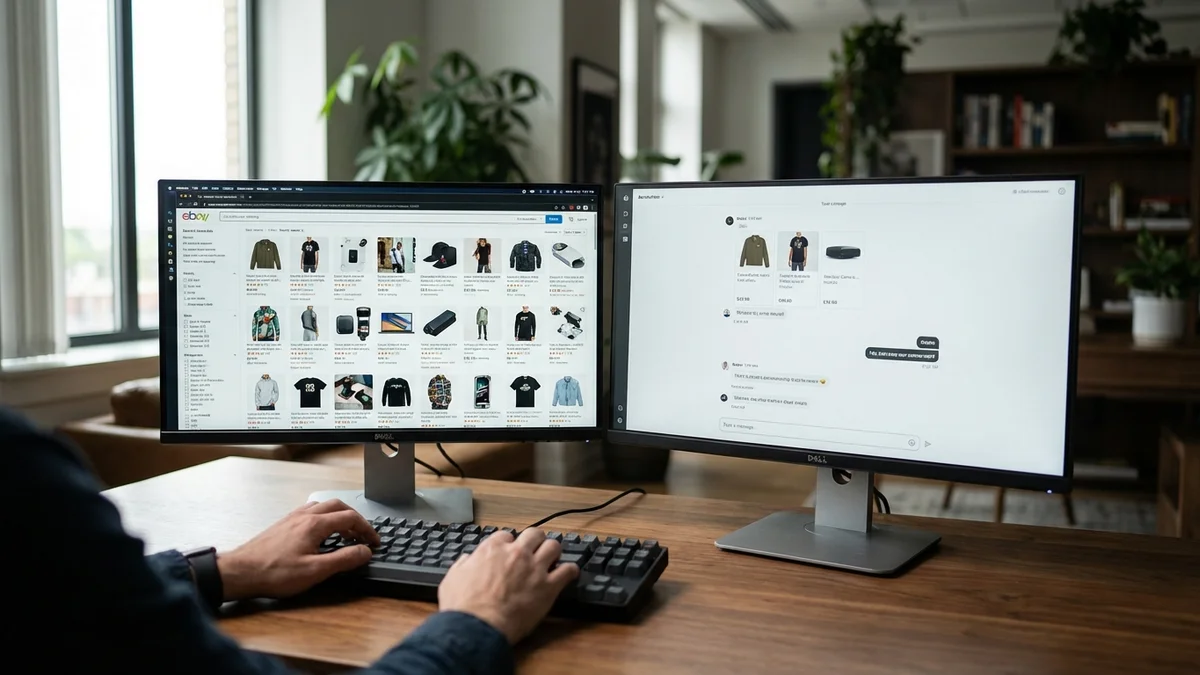
The company just announced a major upgrade to ChatGPT's shopping capabilities, turning the AI assistant into a full-blown product discovery engine. You can now browse products visually, compare options side-by-side, upload photos for style inspiration, and refine results through plain conversation. And it's rolling out this week to every ChatGPT user — free tier included.
This isn't a small feature tweak. It's OpenAI planting a flag directly in Google Shopping's territory.
How Does ChatGPT Shopping Work?
This part's important — OK, so ChatGPT shopping lets you describe what you're looking for — budget, preferences, constraints, and all — and the AI surfaces matching products with rich visual cards, pricing, and retailer links. You can upload an image of, say, a jacket you spotted on the street and ask for similar options. Then you refine conversationally: "Show me that in blue under $80."
The whole experience is powered by the Agentic Commerce Protocol (ACP), an open standard co-developed with Stripe. Through ACP, merchants push their product feeds, inventory data, and promotions directly into ChatGPT so catalogs stay current. The protocol is open source under an Apache 2.0 license, which means any AI platform or merchant can adopt it.
ChatGPT product discovery isn't just search with a chatbot skin. It's the first real attempt to make AI the starting point for how people find things to buy.
As of March 2026, the feature supports visual browsing, side-by-side product comparisons, image-based search, and conversational filtering. That's a pretty significant jump from the basic shopping research links ChatGPT offered just a few months ago.
The Merchants Already On Board
Seven major retailers have already integrated their catalogs into ACP for product discovery:
Target
Sephora
Nordstrom
Lowe's
Best Buy
The Home Depot
Wayfair
That's a serious lineup covering fashion, beauty, electronics, home improvement, and furniture. And on the Shopify side, things are moving fast too — all Shopify stores will appear in ChatGPT by default in late March 2026 through Shopify's Agentic Storefronts system.
The numbers back up why merchants are paying attention. AI-driven traffic to Shopify stores has grown 7x since January 2025, and AI-attributed orders have jumped 11x over the same period, according to reports. Those aren't theoretical projections — that's real money flowing through AI-powered discovery.
The Pivot Nobody's Talking About
Here's the backstory that makes this announcement more interesting than it looks on the surface.
Back on February 16, 2026, OpenAI launched "Buy it in ChatGPT" — an Instant Checkout feature that let users complete purchases without leaving the chat. It started with Etsy sellers, and over a million Shopify merchants (brands like Glossier, SKIMS, Spanx, and Vuori) were supposed to follow.
It didn't go well.
As CNBC reported, onboarding merchants turned out to be a grind, and the checkout experience was prone to errors. As of early March, roughly 30 Shopify merchants were actually live with Instant Checkout. Thirty. Out of over a million.
OpenAI learned the hard way that payments are the easy part of commerce. Everything else — inventory, shipping, taxes, subscriptions, returns — is where it gets brutal.
Shopify president Harley Finkelstein put it bluntly at a Morgan Stanley conference on March 3: successful commerce requires managing "the checkout itself, subscriptions, inventory, shipping taxes" and merchandising options. OpenAI acknowledged the shift on March 6, saying they're "evolving how we approach commerce in ChatGPT to better meet merchants and users where they are."
So instead of trying to own the whole transaction, OpenAI is now doing what it probably should have done first: making ChatGPT shopping the best product discovery tool on the planet, then handing users off to retailers to complete purchases.
How ACP Actually Works Under the Hood
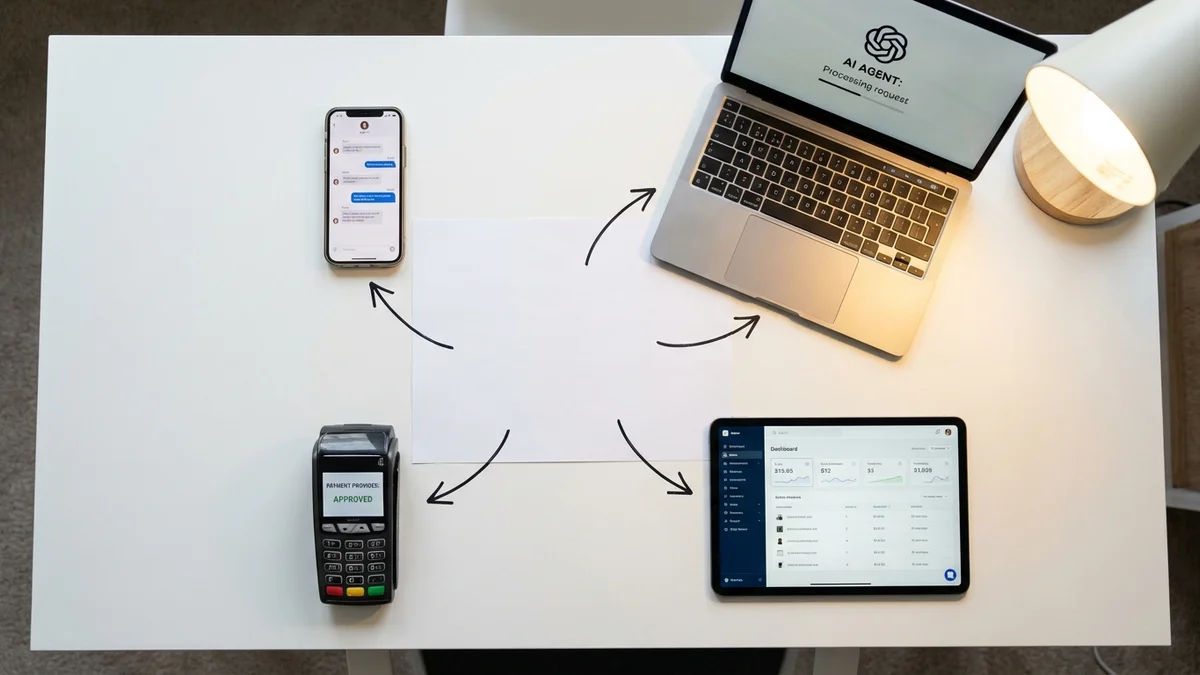
This caught our eye. This part's important — the Agentic Commerce Protocol involves four parties in every transaction:
The buyer — selects products and provides payment credentials
The AI agent — interfaces with the buyer and requests checkout from the merchant
The business — receives checkout requests with secure, tokenized payment details
The payment provider — relays tokenized credentials between agent and business
The critical design choice: merchants remain the merchant of record. They control product selection, presentation, transaction processing, and fulfillment. OpenAI isn't trying to become Amazon — it's positioning ChatGPT as the front door.
According to Stripe, existing Stripe customers can enable agentic payments by updating as little as one line of code. And because ACP is Apache 2.0 licensed, it's not locked to OpenAI. Google's AI Mode, Gemini, and Microsoft Copilot are all connecting through similar protocols. OpenAI has been expanding its developer-facing capabilities across the board.
As of March 2026, OpenAI charges a 4% fee on sales flowing through Shopify's integration. Google, interestingly, charges nothing.
Why This Matters More Than You Think
Let's zoom out. Google has owned product search for two decades. You search, you see Shopping ads, you click through to a retailer. That model generates billions in ad revenue.
Feature
Google Shopping
ChatGPT Shopping
Discovery method
Keyword search + ads
Conversational AI
Visual comparisons
Side-by-side grids
In-chat product cards
Image-based search
Google Lens
Upload and refine via chat
Merchant fees
Free (ad-funded)
4% via Shopify integration
Checkout
Redirects to retailer
Redirects to retailer
Personalization
Search history
Conversation context
ChatGPT shopping threatens to short-circuit that entire funnel. Instead of searching and scrolling, you describe what you want in natural language, see curated results, compare them conversationally, and click through to buy. No ads. No SEO games. Just products matched to what you actually asked for.
If ChatGPT becomes where people start their shopping journey, Google's $50B+ in Shopping ad revenue suddenly looks vulnerable.
But no sugarcoating — we're early. The feature just launched for all users this week. The merchant list, while impressive, is still small. And the Instant Checkout stumble shows that turning an AI chatbot into a commerce platform is genuinely hard.
The real test comes over the next 6 months. Can OpenAI onboard enough merchants to make ChatGPT shopping feel full? Will the product data stay accurate and current? And will users actually change their shopping habits, or will this be another AI feature that's cool in demos but forgotten in practice?
What Comes Next
OpenAI is clearly playing the long game here. The immediate roadmap includes:
Dedicated merchant apps within ChatGPT (Target, Instacart, DoorDash, and The Knot are early adopters)
Expanded Shopify integration covering all stores by default
Continued ACP development as an open standard that works across AI platforms
Deeper visual shopping with more image-based search and style matching
The shift from "we'll handle everything" to "we'll be the best at discovery" is smart. It fits the broader pattern of OpenAI building agentic infrastructure across its product line. It's the same playbook Google used with search — own the starting point, let others handle the rest. But OpenAI is doing it with conversational AI instead of blue links.
Whether ChatGPT shopping becomes the new normal or a footnote depends entirely on execution. The pieces are in place. Now they have to make it work at scale.
Yes. As of March 24, 2026, OpenAI is rolling out the product discovery features to all ChatGPT tiers including Free, Go, Plus, and Pro. You don't need a paid subscription to browse products, compare options, or get purchase links — though availability may vary by region during the initial rollout.
Does OpenAI take a commission on ChatGPT shopping purchases?
OpenAI charges a 4% fee on sales made through Shopify's ChatGPT integration, on top of Shopify's standard transaction fees. For comparison, Google charges no additional fee for purchases through its AI Mode and Gemini integrations. Commission structures for direct ACP retailer integrations (Target, Best Buy, etc.) have not been publicly disclosed.
Can I actually buy products directly inside ChatGPT?
Not anymore — at least not through most merchants. OpenAI launched an Instant Checkout feature in February 2026 but pulled back due to technical difficulties and low merchant adoption. The current approach sends you to the retailer's website or app to complete purchases. On mobile, this opens an in-app browser; on desktop, a new tab.
How do merchants add their products to ChatGPT shopping?
Merchants can integrate through three paths: directly via the Agentic Commerce Protocol (ACP) which requires as little as one line of code for existing Stripe customers, through Shopify's Agentic Storefronts system (enabled by default for all stores in late March 2026), or through third-party providers like Salesforce. The ACP specification is open source under Apache 2.0.
Does ChatGPT shopping work with Amazon products?
Amazon is not listed among the retailers currently integrated with ChatGPT's product discovery through ACP. The confirmed major retailers as of March 2026 are Target, Sephora, Nordstrom, Lowe's, Best Buy, The Home Depot, and Wayfair, plus Shopify and Etsy merchants. Amazon may appear in future integrations but has not been announced.