Perplexity Pro 2026: An 8.3/10 Worth Paying For? | AI Bytes
0% read
Perplexity Pro 2026: An 8.3/10 Worth Paying For?
Reviews
Perplexity Pro 2026: An 8.3/10 Worth Paying For?
Perplexity Pro costs $20/month for cited AI search with multi-model access. We break down every feature, test real scenarios, and tell you exactly who should — and shouldn't — subscribe.
April 3, 2026
10 min read
638 views
What if the best AI search engine wasn't built by Google, Microsoft, or OpenAI?
Perplexity has been making that case for over three years now, and with their Pro tier priced at $20/month, they're betting you'll pay for a search experience that actually cites its sources. This Perplexity Pro review breaks down whether that bet pays off — the features, the limitations, and the honest truth about where your money goes.
Rating
8.3/10
Price
$20/month or $200/year
Best For
Researchers, journalists, students, and professionals who need sourced answers fast
Skip If
You primarily need coding help, creative writing, or a general-purpose AI assistant
One-Line Take
The best AI-powered search tool available — just don't expect it to do everything
What Is Perplexity Pro?
Perplexity is an AI-powered search engine that answers your questions with cited, real-time sources instead of dumping ten blue links on your screen. Think of it as a research assistant that reads the internet for you and shows you exactly where it found everything.
The free tier is genuinely good. You get unlimited basic searches and a handful of Pro searches daily. But Perplexity Pro ($20/month) removes the training wheels: unlimited advanced searches, access to premium AI models including Claude and GPT-4o among other frontier models, file uploads, image generation, and priority access during peak hours.
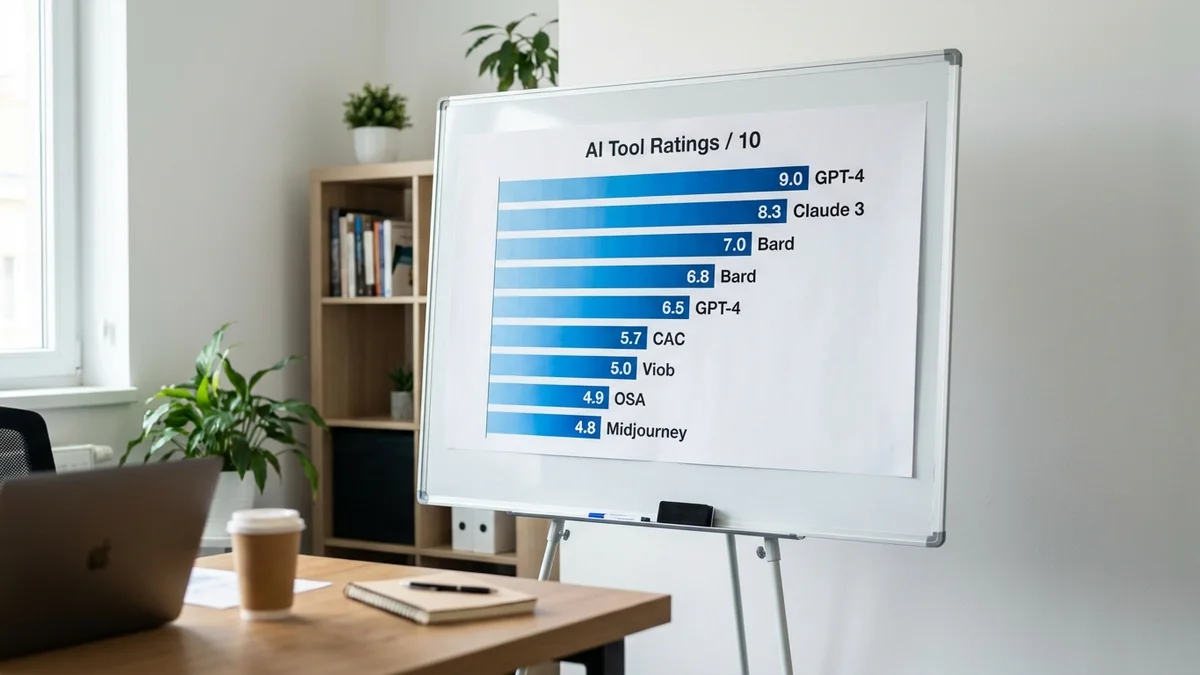
As of April 2026, Perplexity sits at an 8.3/10 rating on aibytes.blog, putting it ahead of most AI search competitors but behind general-purpose assistants like Claude (9.2/10) and ChatGPT (8.8/10). That gap tells you something important about what Perplexity is — and what it isn't trying to be.
Key Features Worth Paying For
Multi-Model Access
Here's the feature that makes the math work. Perplexity Pro gives you access to multiple frontier AI models under one subscription. As of April 2026, this includes models from Anthropic, OpenAI, and others — letting you pick the right brain for the right task.
For context, Claude Pro costs $20/month. ChatGPT Plus costs $20/month. Getting access to both (and more) through a single Perplexity Pro subscription is legitimately clever pricing. The tradeoff? You're accessing these models through Perplexity's search interface, not their native platforms. So the experience isn't identical — but for research queries, it doesn't need to be.
Pro Search: The Core Product
Pro Search is the reason Perplexity Pro exists. Unlike basic searches that grab a quick answer, Pro Search runs a multi-step research process. It clarifies your query, hits multiple sources, cross-references the results, and delivers a detailed synthesis with numbered citations.
Pro Search turns a 20-minute rabbit hole into a 30-second briefing. For anyone who does research for a living, that time savings compounds fast.
Ask something like "What are the most promising longevity biotech companies as of Q1 2026?" and you'll get a structured breakdown with company names, funding rounds, key research areas, and links to primary sources. Try getting that from a standard Google search in under a minute.
File Upload and Analysis
Drop a PDF, CSV, or image into Perplexity Pro and start asking questions about it. Upload a 60-page whitepaper and ask for the key findings. Throw in a spreadsheet and get instant analysis. It's not going to replace dedicated data tools, but for quick document interrogation, it's solid.
Spaces for Organized Research
Perplexity lets you group related searches into Spaces (formerly called collections) — basically project folders for your research threads. It's a small feature that punches above its weight when you're juggling multiple topics. And honestly, the fact that most AI assistants still don't offer this kind of research organization is kind of baffling.
Image Generation
Pro subscribers get access to AI image generation directly inside Perplexity. It's functional for quick visuals and concept images, though it won't replace dedicated tools like Midjourney (rated 9/10) for serious creative work. Think of it as a nice-to-have, not a selling point.
Priority Access and Speed
During peak usage, free users get queued. Pro users skip the line. It sounds minor until you're trying to pull together research at 2 PM on a Tuesday and the free tier is crawling. Priority access also means faster response times across the board — a small perk that adds up over dozens of daily queries.
Testing Perplexity Pro: Where It Shines and Stumbles
Research and Fact-Checking
This is Perplexity Pro's home turf. For research-heavy queries — market analysis, competitive intelligence, literature reviews — the citation quality is the best available in any AI tool. When Perplexity says a statistic comes from a specific source, you can click through and verify it. That's a genuinely big deal when ChatGPT's citations are still hit-or-miss (and often miss).
Based on editorial evaluation, Perplexity's sourcing is noticeably more reliable than competitors like You.com (rated 7/10) or Microsoft Copilot (rated 7.5/10). The citations aren't decorative — they're functional.
Developer Questions
Perplexity handles coding questions reasonably well, pulling from documentation and Stack Overflow in real time. But for actual development work, tools like Cursor (9/10), Claude Code (9.4/10), or GitHub Copilot (8.5/10) operate on a completely different level. Perplexity is great for "how does this API work?" and weak for "refactor my authentication module."
Breaking News and Current Events
Real-time web search is Perplexity's bread and butter. Ask about something that happened three hours ago and you'll typically get an accurate, sourced response. This is where it clearly beats ChatGPT's browsing capability — the results feel fresher and the source attribution is more transparent.
Shopping and Product Comparisons
Surprisingly useful here. Ask Perplexity Pro to compare two laptops or evaluate a product category, and it'll synthesize pricing, reviews, and specs from across the web. Not a replacement for dedicated review sites, but way faster than opening fifteen browser tabs.
For the question "what's the current state of X?" — for almost any X — Perplexity Pro is the single best tool available right now.
Is Perplexity Pro Worth $20/Month?
Yes, if research is a core part of your work. Perplexity Pro pays for itself the moment cited, accurate search saves you meaningful time on a regular basis. If you run 5+ serious research queries daily, the $20 monthly cost (or $200/year for the annual plan) is easy to justify. If you search casually a few times a week, the free tier is probably enough.
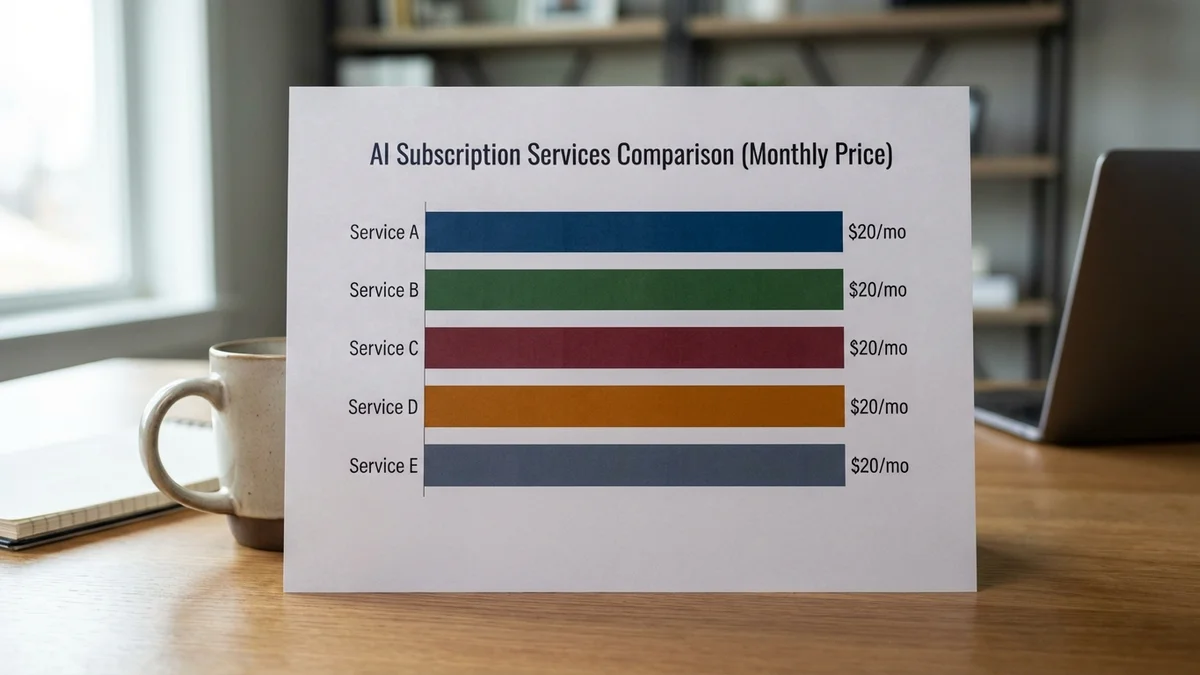
Here's the competitive picture as of April 2026:
Service
Price/Month
Best At
Perplexity Pro
$20
Cited search, multi-model access
ChatGPT Plus
$20
All-purpose assistant, GPT-4o
Claude Pro
$20
Deep reasoning, long-document analysis
Google One AI Premium
$20
Google ecosystem, massive context window
Microsoft 365 Personal
$7
Microsoft 365 integration
Everyone's landed on that $20 price point. So the real question isn't whether $20 is too much — it's which $20 subscription gives you the most value for your workflow.
For pure research and search, Perplexity wins. For everything else, Claude or ChatGPT offers more range.
The power move? Perplexity Pro as your second AI subscription. Pair it with Claude Pro or ChatGPT Plus and you've got search plus reasoning covered for $40/month total. That combination is hard to beat.
The Pros
Best-in-class citations. Every claim is numbered and linked to its source. You can verify anything in seconds. This alone sets Perplexity apart from every other AI assistant on the market.
Multi-model flexibility. Access to Claude, GPT-4o, and other frontier models without paying for separate subscriptions. Strong value per dollar.
Pro Search is the real deal. Multi-step research that synthesizes across dozens of sources. It replaces 15-20 minutes of manual searching with a single query.
Clean, focused interface. No feature bloat. You search, you get answers, you move on. Perplexity respects your time and attention.
Always current. Real-time web search is the core product, not a bolted-on feature added because competitors have it.
The Cons
Free tier feels stingy. Around 5 Pro searches per day on the free plan is restrictive, especially when competitors like Gemini offer more generous free access.
Weak for creative and long-form work. Need help drafting an article or crafting marketing copy? Claude and ChatGPT are significantly better tools for that job.
Depth can be lacking. For highly technical or niche topics, Perplexity sometimes delivers a well-sourced summary when you actually needed a detailed analysis.
Mobile experience trails desktop. The app works, but complex research queries feel clunky on a phone screen compared to the polished web interface.
No personalization or memory. Perplexity doesn't learn your preferences between sessions — though privacy-conscious users might call this a feature, not a bug.
Who Should Subscribe — And Who Shouldn't
Get Perplexity Pro if you're:
A researcher, journalist, or student who needs cited sources daily
Tired of Google's increasingly ad-heavy, SEO-cluttered search results
Someone who makes decisions based on current market data and intelligence
Looking for multi-model access without paying for three separate subscriptions
Skip it if you're:
A developer who needs a coding assistant — get Cursor or Claude Code instead
Looking for a creative writing or content generation partner
Happy with your current search habits and don't do regular deep research
Limited to one AI subscription, where ChatGPT Plus or Claude Pro offers more versatility
How Perplexity Stacks Up Against Competitors
According to aibytes.blog ratings, Perplexity (8.3/10) trails behind Claude (9.2/10), ChatGPT (8.8/10), and Gemini (8.6/10) in overall scores. But those ratings measure general AI capability across multiple dimensions. For the specific job of cited web search, Perplexity stands alone at the top.
Its closest competitors in the AI search space — You.com (7/10), Phind (7.8/10), and Microsoft Copilot (7.5/10) — can't match its citation accuracy or model flexibility. And Google's Gemini, while powerful, still feels more like a chatbot that can search than a search engine built around AI from the ground up. Perplexity got the product direction right from day one.
If Google is the library, ChatGPT is the tutor, and Claude is the analyst — then Perplexity is the research assistant who actually checks its sources. Pick based on what you need most.
Perplexity Pro Review: Final Verdict
Rating: 8.3/10
Perplexity Pro does one thing better than anyone else: it gives you accurate, cited, real-time answers from the live web. In a world where AI hallucination remains a genuine concern, inline citations you can actually click and verify aren't just nice — they're necessary.
But Perplexity knows its lane. It's not trying to be your coding assistant, your writing partner, or your creative tool. It's a search engine — the best AI search engine available — and it charges $20/month for the full experience.
That price is fair. If you run more than a handful of serious research queries per day, the time savings alone justify the cost. And the multi-model access means you're getting more per dollar than most single-model subscriptions offer.
So who should actually pull the trigger? If you spend real time searching for information — whether for work, school, or personal curiosity — Perplexity Pro is the best $20 you can spend on AI search in 2026. Just make sure your expectations match what it delivers: world-class search, not a do-everything assistant.
Sources
Perplexity AI — Official product and pricing information
Perplexity Pro is the best AI-powered search tool available in 2026 — if cited, real-time research is what you need. At $20/month it matches competitor pricing while offering unique multi-model access and superior citation quality. Best as a primary tool for researchers or as a powerful second subscription paired with Claude Pro or ChatGPT Plus.
Pros
+ Best-in-class citation accuracy with verifiable numbered sources
+ Multi-model access (Claude, GPT-4o, and others) under one $20 subscription
+ Pro Search delivers multi-step research that replaces 15-20 minutes of manual work
+ Clean, focused interface with no feature bloat
+ Real-time web search as a core product, not a tacked-on feature
Cons
- Free tier limited to roughly 5 Pro searches per day
- Weak for creative writing, long-form content, and coding tasks
- Can deliver surface-level answers on highly technical or niche topics
- Mobile app experience lags behind the polished desktop interface
- No memory or personalization between sessions
Frequently Asked Questions
Does Perplexity Pro include API access for developers?
Yes, Perplexity offers a developer API that provides access to their search-augmented models, including Agent API, Search API, and Embeddings API. Note that as of early 2026, API credits are no longer included with the Pro subscription — developers need to purchase API access separately on a pay-as-you-go basis. The API supports both search-focused and standard completions, making it useful for building applications that need cited, real-time web data without managing your own search pipeline.
Can I share a Perplexity Pro subscription with my team?
The standard $20/month Pro plan is designed for individual use. Perplexity offers a separate Enterprise Pro plan with team management, admin controls, centralized billing, and features like SSO. Check perplexity.ai for current team pricing, as enterprise tiers include usage analytics and priority support beyond what individual Pro offers.
Does Perplexity Pro search academic databases like PubMed and arXiv?
Perplexity can surface results from academic sources including PubMed, arXiv, and Semantic Scholar when relevant to your query. However, it doesn't have direct access to paywalled journals — you'll still need institutional credentials for full-text papers behind publisher paywalls. Pro Search tends to find and cite academic sources more reliably than the free tier's basic search.
What happens to my saved searches if I cancel Perplexity Pro?
Your account reverts to the free tier, but existing search history and collections remain accessible. You lose unlimited Pro Search (reverting to the daily free limit), multi-model selection, file upload capabilities, and priority access. You can resubscribe at any time and immediately regain full Pro features along with all your saved content.
Does Perplexity have a browser extension to replace Google search?
Yes, Perplexity offers a Chrome extension that lets you trigger searches directly from your browser's address bar or by highlighting text on any webpage. With a Pro subscription, the extension defaults to Pro Search. You can set Perplexity as your default search engine to fully replace Google — the extension handles the redirect automatically for all address bar queries.