STADLER Bets Big: ChatGPT for All 650 Employees | AI Bytes
0% read
STADLER Bets Big: ChatGPT for All 650 Employees
AI News
STADLER Bets Big: ChatGPT for All 650 Employees
STADLER Anlagenbau, a 235-year-old German waste recycling equipment maker, has rolled out ChatGPT Enterprise to every single one of its 650 employees — turning a centuries-old manufacturer into an AI-first operation.
March 27, 2026
6 min read
421 views
A 235-Year-Old Blacksmith Shop Just Went All-In on AI
When a company has been around since 1791, you'd be forgiven for assuming it moves slowly. STADLER Anlagenbau GmbH — the German waste recycling equipment manufacturer — just proved that assumption dead wrong. The company has deployed ChatGPT Enterprise across its entire workforce of 650 employees, making it one of the most aggressive AI rollouts in traditional manufacturing.
No pilot program. No phased department-by-department approach. Just full enterprise-wide access from day one.
When a company that predates the steam engine decides every employee needs AI, that's not a tech experiment — it's a strategic bet on the future of work.
How Does STADLER Use ChatGPT Enterprise?
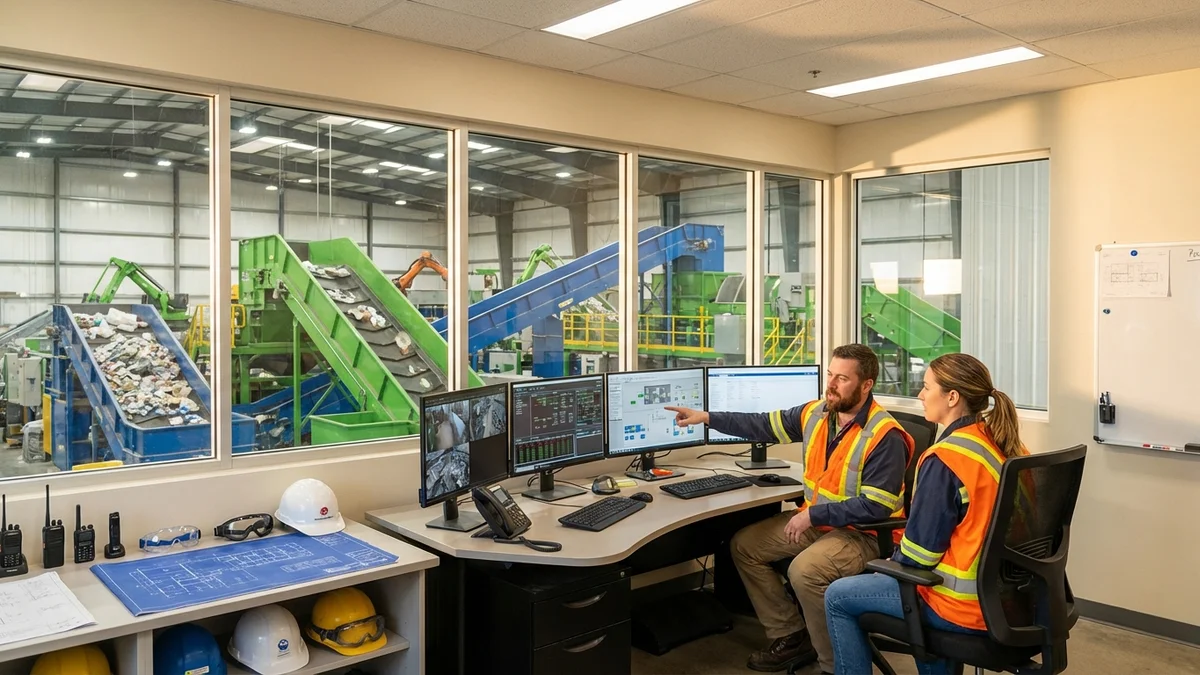
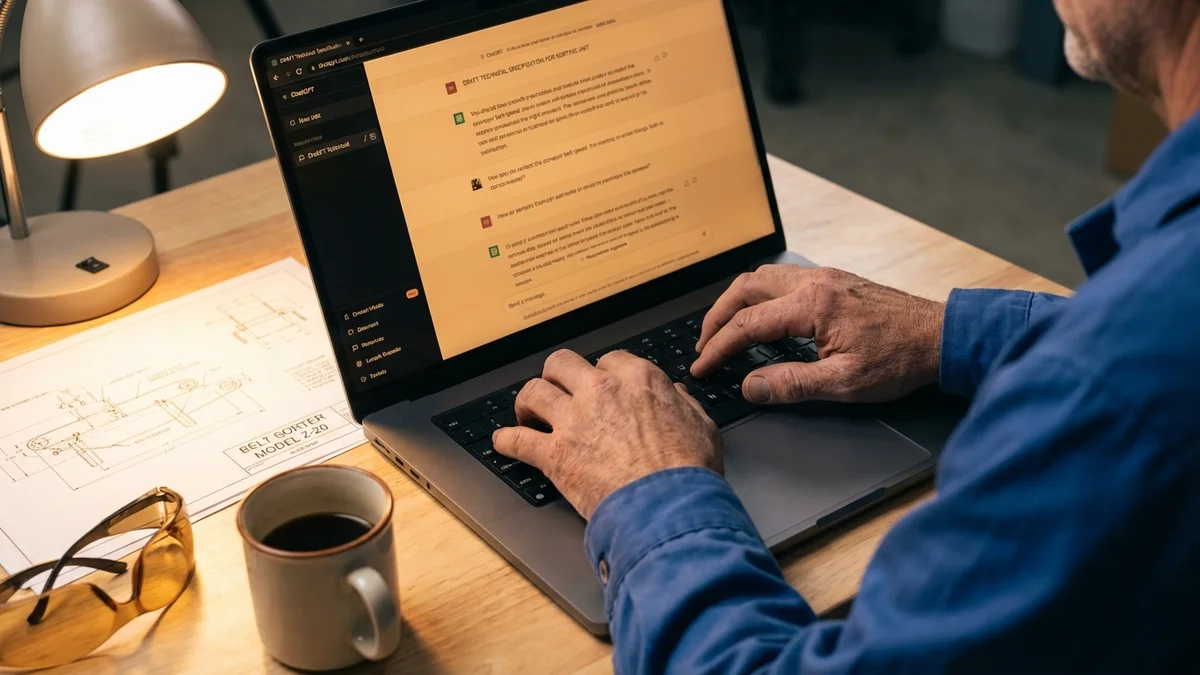
STADLER uses ChatGPT Enterprise to accelerate knowledge work across engineering, sales, and operations — giving all 650 employees AI-powered tools for drafting technical specifications, responding to RFPs, troubleshooting global installations, and synthesizing internal knowledge.
The use cases span the full breadth of what a global industrial manufacturer actually does day-to-day. According to a TechBuzz report, the implementation targets the kind of unglamorous but time-consuming work that defines operations at a company building complex sorting systems:
Engineering teams use it for drafting technical specifications and documentation
Sales departments lean on it for responding to RFPs and customer communications
Operations staff tap it for troubleshooting installations across global sites
Everyone uses it for research acceleration, project proposals, and internal knowledge sharing
This isn't about replacing engineers or salespeople. It's about removing the friction from knowledge work so that people who build world-class recycling equipment can spend more time actually building world-class recycling equipment.
Why STADLER Matters More Than You Think
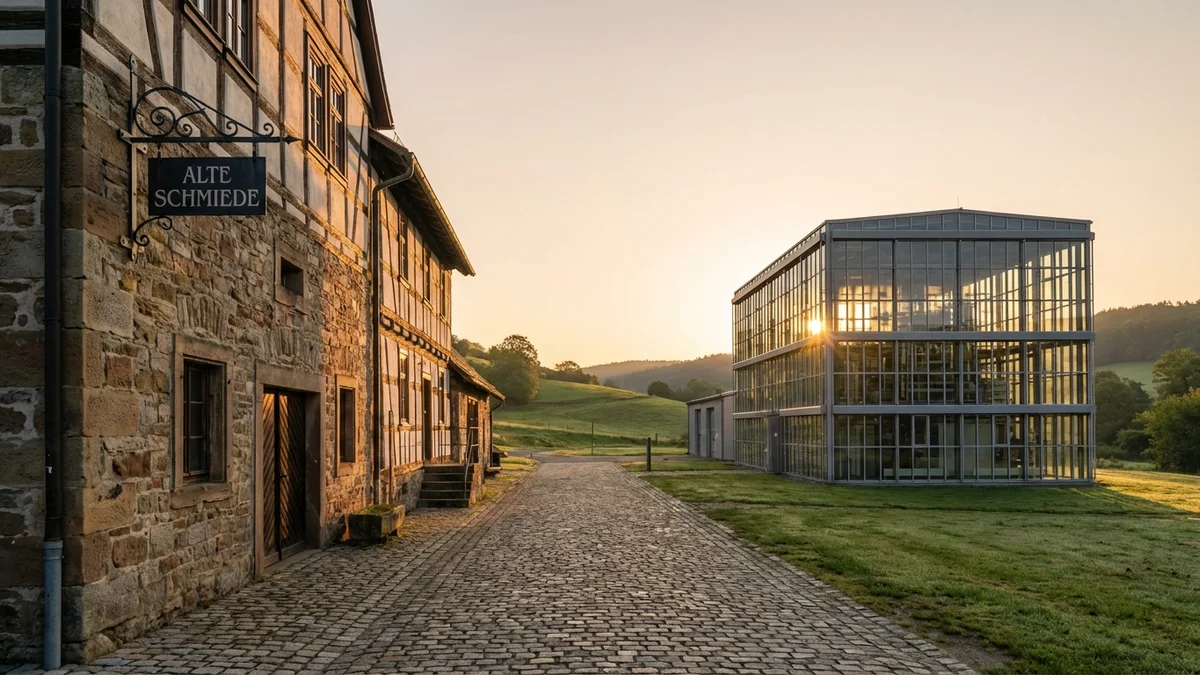
STADLER Anlagenbau isn't some Silicon Valley startup chasing hype. This is a family-owned business founded as a village forge in Altshausen, Germany, in 1791. It survived through the Napoleonic Wars, two World Wars, and the entire Industrial Revolution — evolving from a blacksmith shop to a locksmith operation, then to metal construction, and finally into one of the world's leading manufacturers of automated waste sorting systems.
As of March 27, 2026, the company operates under eighth-generation leadership. Julia Stadler was appointed Co-CEO alongside Willi Stadler (seventh generation) in 2025, after previously serving as Chief Digital Officer. That detail matters — the person who drove STADLER's digital transformation now runs the company. The ChatGPT Enterprise rollout isn't some side project; it comes from the top.
The company has implemented over 600 sorting plants globally and manufactures a wide range of components from ballistic separators to conveyor systems. Its clients are in municipal solid waste, dry mixed recyclables, commercial waste, lightweight packaging, plastic bottles, paper, electronic waste, and construction materials. And now every single person involved in that work has access to ChatGPT Enterprise.
The Bold Move: No Pilot, Just Deploy
Most enterprise AI adoption stories follow a predictable script. Start with a small team. Run a pilot. Measure results. Expand gradually. STADLER skipped all of that.
Rolling out ChatGPT to 650 employees at once is either incredibly brave or incredibly reckless. For a company that's survived 235 years, the smart money is on brave.
This approach has a clear logic behind it. If you give AI tools to only your engineering team, you create an information asymmetry — engineers draft specs faster, but sales still writes proposals the old way. By going company-wide, STADLER essentially democratized expertise across the entire organization. The result? Junior engineers and regional staff can produce output that matches headquarters quality.
That's a pretty big deal for a company with global operations. When your sorting plants are scattered across continents, having consistent knowledge-work quality regardless of location is a genuine competitive advantage.
But here's what makes the STADLER story stand out from yet another "big company adopts ChatGPT" headline (for context on how ChatGPT is expanding its commercial reach, see how ChatGPT is becoming a shopping platform): this is a traditional, old-economy manufacturer. Not a bank. Not a consulting firm. Not a tech company. A company that builds machines that sort trash.
And that's exactly why it matters. The companies that most people would place last in the AI adoption race — manufacturers, construction firms, agricultural businesses — are increasingly proving to be eager adopters. They deal with enormous volumes of technical documentation, cross-border communication, and institutional knowledge that's trapped in the heads of senior employees. Generative AI is almost purpose-built for these problems.
The Implementation Challenges Were Real
STADLER's rollout wasn't without hurdles. The company had to address:
Data security — waste sorting plants involve proprietary engineering designs and client-specific configurations
Employee training — teaching 650 people to write effective prompts is a non-trivial exercise
Workflow integration — fitting ChatGPT into existing engineering, sales, and operations processes
These are the exact same challenges every enterprise faces when deploying generative AI at scale. But STADLER's willingness to push through them — rather than getting stuck in endless pilot loops — is what separates this story from the pack.
STADLER's Digital DNA: STADLERconnect
The ChatGPT rollout didn't happen in a vacuum. STADLER already had a digital foundation in place through STADLERconnect, its advanced Digital Solutions platform that uses real-time data and AI for plant optimization, digital maintenance, and material analysis.
So this wasn't a company discovering AI for the first time. Julia Stadler built a digital transformation strategy during her time as Chief Digital Officer, and the ChatGPT Enterprise deployment is the latest chapter in that story. As of March 2026, STADLER is arguably one of the most digitally aggressive companies in the global recycling equipment industry.
A 235-year-old company with an eighth-generation CEO, 600+ global plants, and ChatGPT on every desktop. That's not your grandfather's manufacturing firm.
What Comes Next
The real question isn't whether STADLER's bet pays off — it almost certainly will, given the volume of knowledge work in industrial manufacturing. The real question is how quickly competitors follow.
As of March 2026, ChatGPT Enterprise includes features like unlimited access to OpenAI's latest models, advanced data analysis, extended context windows, and (critically for manufacturing) enterprise-grade security with no training on company data. For a company handling proprietary sorting plant designs, that last point isn't optional — it's table stakes.
OpenAI's enterprise ambitions extend beyond chat — they've also given AI agents full Linux terminal access and continue expanding their enterprise toolset. Watch for STADLER to push deeper into AI-assisted engineering workflows, potentially using the API to build custom tools that integrate directly with STADLERconnect. And watch for other mid-size manufacturers to follow the same playbook: skip the pilot, go all-in, and let every employee figure out how AI makes their specific job better.
The era of cautious AI experimentation in manufacturing is ending. STADLER — a company born the same decade as the French Revolution — just fired the starting gun.
How much does ChatGPT Enterprise cost for a company like STADLER?
OpenAI doesn't publish fixed pricing for ChatGPT Enterprise — it's custom-quoted based on company size and needs. For a 650-employee deployment like STADLER's, you'd need to contact OpenAI's sales team directly. ChatGPT Team (the tier below Enterprise) runs about $25-30 per user per month, so Enterprise pricing for 650 seats would be a significant annual investment, likely in the six-figure range.
Does ChatGPT Enterprise train on company data submitted by employees?
No. ChatGPT Enterprise explicitly does not train on any company data or conversations. This was likely a critical requirement for STADLER, given that their employees work with proprietary sorting plant designs, client configurations, and engineering specifications. Enterprise also offers SOC 2 compliance, SSO, and admin controls for managing data access across the organization.
Can ChatGPT Enterprise handle technical engineering documents in German?
Yes. ChatGPT Enterprise includes access to OpenAI's latest models, which support strong multilingual capabilities including German. For a company like STADLER headquartered in Altshausen, Germany, with global operations, this means employees can work in German, English, or other languages interchangeably — drafting specifications in one language and translating or adapting them for international clients.
What alternatives to ChatGPT Enterprise could manufacturers consider?
Key alternatives include Microsoft Copilot (deeply integrated with Microsoft 365, which many manufacturers already use), Claude Team or Claude Enterprise by Anthropic (strong on reasoning and document analysis), and Google Gemini for Workspace. Some manufacturers also build custom solutions using open-source models like Llama 4 or DeepSeek for more control over data. The right choice depends on existing tech stack, security requirements, and specific use cases.
How long does a full ChatGPT Enterprise rollout typically take?
Based on enterprise deployment patterns, a company-wide rollout to 500-1000 employees typically takes 2-4 months including security review, SSO integration, admin setup, and employee training. STADLER's approach of skipping the pilot phase likely compressed this timeline, though the company still needed to address prompt training and workflow integration for engineering, sales, and operations teams across multiple global sites.